
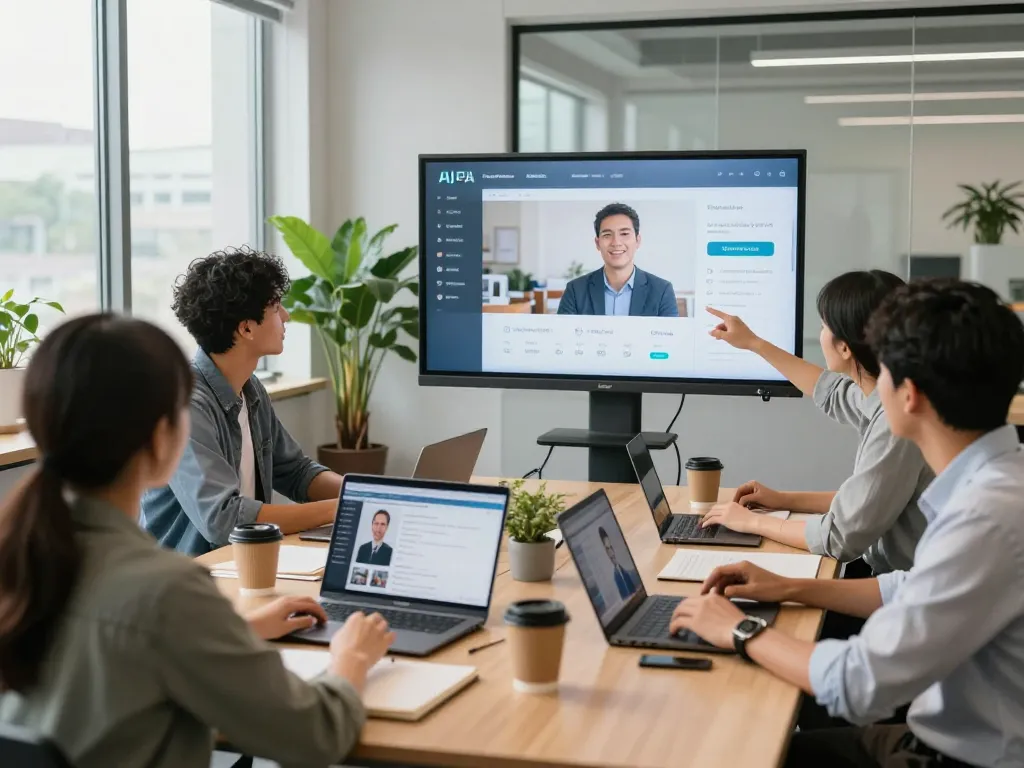
Understanding AI Interviewers
The recruitment landscape is rapidly evolving, driven by technological advancements and the need for efficiency in hiring processes. Among these innovations, the emergence of the AI interviewer stands out as a transformative solution. These systems are designed to streamline candidate screening, promote fairness, and enhance the overall hiring experience. As organizations strive to attract top talent in a competitive market, understanding the role and functionality of AI interviewers becomes crucial for hiring managers and recruiters alike.
What Is an AI Interviewer?
An AI interviewer is an automated tool that uses artificial intelligence to conduct job interviews. Unlike traditional interviews, which rely heavily on human intuition and subjective judgment, AI interviewers utilize algorithms and data analysis to evaluate candidates consistently. This technology is particularly advantageous in high-volume hiring environments, where the sheer number of applications can overwhelm human resources. By employing natural language processing and machine learning, these systems can engage candidates in real conversations, assessing their responses in real-time while adapting questions based on the flow of the interview.
Key Features and Benefits of AI Interviewers
- 24/7 Availability: AI interviewers can conduct interviews around the clock, accommodating candidates across different time zones and schedules.
- Consistent Evaluations: By applying standardized criteria in every interaction, AI interviewers ensure fairness and reduce biases that can unconsciously influence hiring decisions.
- Language Flexibility: Many AI interviewers support multiple languages, enhancing inclusivity and enabling a broader applicant pool.
- Data-Driven Insights: These technologies generate comprehensive reports, including transcripts and analysis of candidate responses, helping recruiters make informed decisions.
How AI Interviewers Enhance Candidate Experience
AI interviewers are designed to create a comfortable interviewing environment. Unlike traditional interviews, where candidates may feel pressured and anxious, AI systems aim to foster a friendly and engaging atmosphere. This not only helps in eliciting more genuine responses from candidates but also allows them to showcase their qualifications more effectively. By personalizing the interaction and being adaptive, AI interviewers can tailor questions based on candidate responses, creating a dynamic and responsive interview experience.
The Technology Behind AI Interviewers
Understanding the underlying technology of AI interviewers is essential for appreciating their capabilities and potential impact on the recruitment process. These tools leverage several advanced technologies, creating a blend of human-like interaction with efficient data processing.
Natural Language Processing and Conversational AI
Natural language processing (NLP) is at the core of AI interviewers, allowing them to understand and interpret human language in a meaningful way. NLP enables these systems to engage in conversations that feel natural rather than robotic. The conversational AI aspect of these interviews ensures that the system can ask relevant follow-up questions and adapt the dialogue based on prior responses, making the interaction more fluid and engaging.
Machine Learning in Interview Assessments
Machine learning algorithms play a crucial role in how AI interviewers assess candidates. By analyzing vast amounts of data from previous interviews, these algorithms can identify patterns and characteristics associated with successful hires. This analysis helps refine the decision-making process, allowing organizations to pinpoint top candidates based on consistent criteria. Over time, the machine learning capabilities increase, enabling the AI interviewer to provide even more nuanced evaluations.
Integration with Applicant Tracking Systems
One of the most significant advantages of AI interviewers is their ability to seamlessly integrate with existing applicant tracking systems (ATS). This integration ensures that all candidate data, including interview scores and feedback, are automatically stored and organized within the ATS. Recruiters can access this information without switching platforms, streamlining the hiring process and enhancing productivity.
Benefits of Using AI Interviewers
Organizations are increasingly adopting AI interviewers due to their plethora of benefits that address several pain points in traditional hiring processes. These advantages support both the efficiency of the recruiters and the experience of the candidates.
Efficiency and Time-Saving Advantages
One of the most compelling reasons to implement an AI interviewer is the significant time savings it offers. Recruiters can drastically reduce the time spent on initial screenings. With automated interviews available 24/7, candidates can be evaluated promptly, freeing up human resources for more strategic tasks. This not only speeds up the hiring process but also enhances the overall candidate experience.
Enhancing Fairness and Reducing Bias
AI interviewers are designed to standardize the interview process, minimizing biases associated with human interviewers. By applying a consistent set of criteria to evaluate candidates, these tools ensure that all applicants are assessed fairly, regardless of their background. This can lead to a more diverse and inclusive workplace, as it allows for a broader spectrum of talent to be considered based solely on merit.
Scalability for High-Volume Recruitment
For organizations experiencing rapid growth or those in sectors with high turnover rates, the scalability of AI interviewers is invaluable. These systems can efficiently handle large volumes of candidates without compromising on the quality of the assessment process. This scalability allows companies to maintain a steady talent pipeline, making it easier to meet staffing demands as they arise.
Challenges and Considerations
While AI interviewers present numerous advantages, there are also challenges and considerations that organizations must acknowledge when integrating this technology into their recruitment processes.
Understanding Limitations of AI Interviewers
Despite their capabilities, AI interviewers are not without limitations. They may struggle with interpreting nuances in human communication, such as sarcasm or emotional cues, which can sometimes lead to misinterpretations. Additionally, they rely heavily on the quality of the data they are trained on; bias in training data can result in bias in evaluations. Organizations must continually assess and refine their AI tools to ensure fair and accurate results.
Maintaining Human Touch in Recruitment
One prevalent concern regarding AI interviewers is the potential loss of the human touch in the recruitment process. While automation can enhance efficiency, candidates may value the personal interaction that comes with traditional interviews. Employers must find a balance between leveraging AI technology for efficiency and maintaining opportunities for personal engagement to build relationships with potential hires.
Addressing Candidate Concerns about AI
Candidates might express apprehension regarding interacting with AI systems during interviews. Concerns about fairness, transparency, and perceived impersonality can affect candidate perceptions of the hiring process. Organizations should proactively communicate the role of AI in interviews, emphasizing that these tools are designed to enhance, rather than replace, human judgment.
Future Trends in AI Interviewing
As technology continues to evolve, the landscape of AI interviewing is expected to undergo significant changes. Staying informed about these trends is essential for organizations looking to maintain a competitive edge in their hiring practices.
Predictions for AI Interviewers in 2026
By 2026, we can expect AI interviewers to become even more sophisticated, incorporating advanced emotional intelligence capabilities. This could enable them to better assess candidate emotional responses and make more nuanced hiring recommendations. Additionally, the integration of virtual reality (VR) may provide immersive interview experiences, allowing candidates to engage in simulated work environments during the assessment process.
Emerging Technologies Enhancing AI Interview Processes
Emerging technologies such as blockchain may play a role in validating candidate credentials and experiences, providing greater transparency and trust in the recruitment process. Furthermore, advancements in data analysis will continue to enhance machine learning algorithms, allowing AI interviewers to create more personalized and relevant assessments for each candidate.
Preparing for the Next Generation of Recruitment
Organizations must prepare for the next generation of recruitment by embracing AI technologies and investing in training for their HR teams. Developing a comprehensive strategy that includes clear guidelines for AI usage, candidate communication, and integrating AI with human resources will be vital in creating a harmonious hiring environment.
What Are the Ethical Implications?
The increasing reliance on AI in recruitment raises several ethical considerations. Organizations must ensure that their AI interviewers are programmed to operate without bias and promote diversity. Compliance with legal standards surrounding privacy and data protection will also be critical as AI systems collect and analyze sensitive candidate information.
How to Adapt to Changing AI Interview Dynamics?
As AI continues to evolve, organizations need to stay agile by regularly evaluating their recruitment strategies. This includes gathering feedback from candidates about their experiences with AI interviewers and making necessary adjustments. Engaging with technology partners to keep up with innovations and best practices can also help organizations adapt to changing dynamics in AI interviewing.