1. Understanding Colonial Home Construction
1.1 What Defines Colonial Architecture?
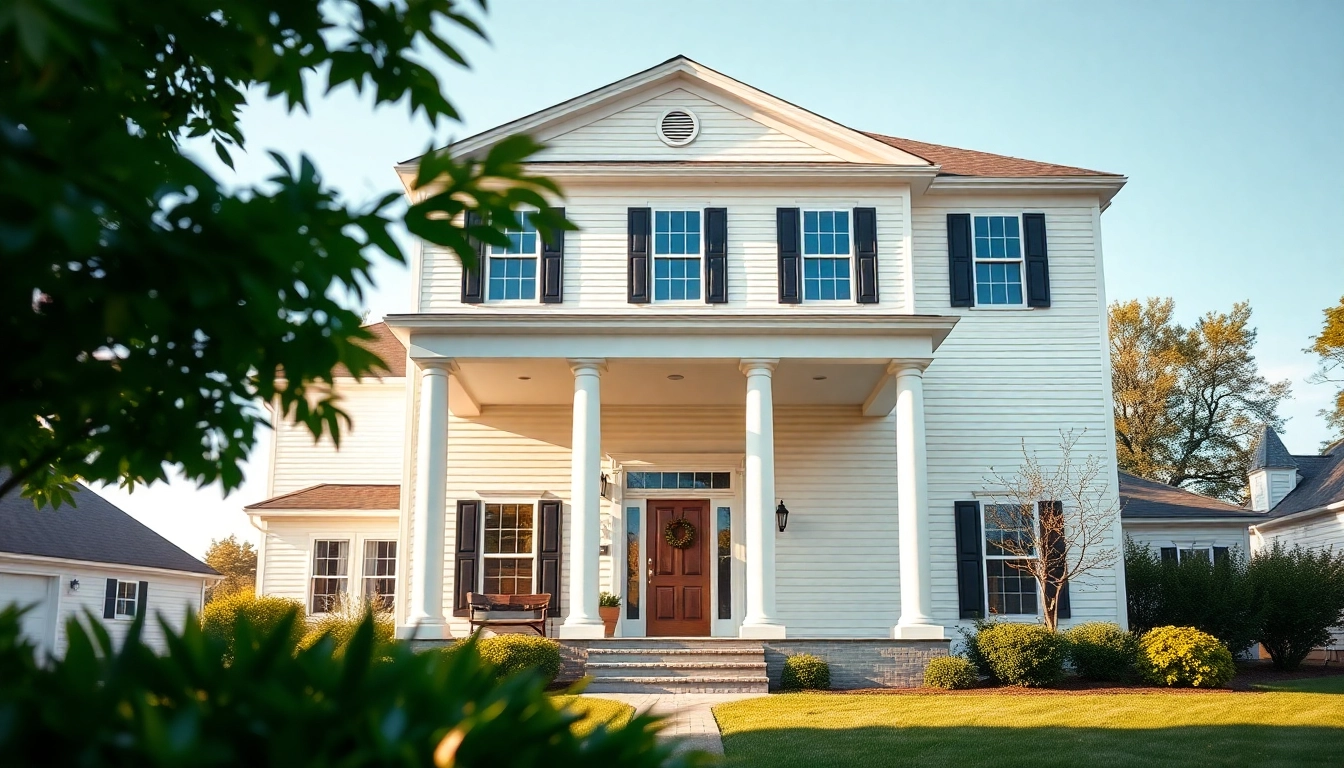
Colonial architecture, characterized by its harmonious proportions and classic styles, represents a significant segment of American residential history. Emerging from early American settler designs influenced by European aesthetics, colonial homes showcase simplicity yet elegance, often blending practicality with traditional beauty. Common elements include symmetrical facades, gabled roofs, and rows of evenly spaced windows. A detailed understanding of these defining features can inspire modern adaptations in new constructions, making the colonial home construction both timeless and innovative.
1.2 Historical Context of Colonial Home Construction
To grasp the essence of colonial home construction, it’s essential to explore its historical roots. Colonial homes first emerged in the 1600s, reflecting the architectural tendencies of their European ancestors. They became prominent as settlers began to adopt methods suited for the North American climate. Each colonial style—whether it be Dutch, Spanish, or Georgian—represents regional responses to environmental conditions and construction materials available at the time. This historical narrative not only enriches our appreciation of colonial architecture but also influences contemporary designs.
1.3 Key Features of Colonial Homes
Colonial homes possess distinctive features that set them apart, deeply influencing their aesthetic and functional appeal. Key characteristics include:
- Symmetry: Many colonial homes exhibit a balanced and symmetrical appearance, with windows and doors strategically positioned.
- Classic Columns: Columns reflecting classical forms often adorn porches, connecting the structure to Greek and Roman traditions.
- Fireplaces: Central to colonial homes, large fireplaces were vital for heating and cooking in earlier times.
- Timeless Roof Styles: Gabled roofs and dormers enhance both the visual appeal and functionality of the houses.
2. Planning Your Colonial Home Project
2.1 Assessing Your Needs and Preferences
Before embarking on a colonial home construction project, it is crucial to assess your specific needs and preferences. What features are non-negotiable? Will the design accommodate future growth or changes in family dynamics? Aligning the project with your personal vision will ensure that your home remains functional and meaningful.
2.2 Budgeting for Colonial Home Construction
Creating a realistic budget is a cornerstone of successful colonial home construction. Consider all aspects, from land procurement to interior finishes. Typical costs include labor, materials, permits, and potential unexpected expenses. Openly discussing your budget with contractors can help in making informed decisions regarding design choices and material selections.
2.3 Selecting the Right Location
Your chosen location can significantly impact the effectiveness of your colonial design. Look for areas that complement the style, such as historic districts or regions characterized by similar architecture. Additionally, consider factors like land topography, local regulations, and proximity to amenities, which can enhance your living experience and property value.
3. Selecting Materials for Colonial Home Construction
3.1 Essential Materials and Their Characteristics
The choice of materials is fundamental in maintaining the aesthetic integrity and durability of colonial homes. Traditional materials include:
- Wood: Often used for framing and siding, wood provides warmth and a classic feel.
- Brick: A timeless choice for exteriors, brick offers durability and low maintenance.
- Stone: Utilizing natural stone enhances visual appeal while providing excellent insulation.
3.2 Sustainable Options for Colonial Design
In today’s eco-conscious world, sustainable materials are increasingly preferred in colonial home construction. Options like reclaimed wood, energy-efficient windows, and green roofing can enhance efficiency while preserving the colonial aesthetic. Incorporating these materials not only benefits the environment but may also yield cost savings in the long run.
3.3 How Materials Impact Aesthetic and Longevity
The selection of materials dramatically influences the overall aesthetic and durability of colonial homes. High-quality materials ensure the structure withstands the test of time while maintaining visual appeal. Additionally, integrating materials that reflect local architecture fosters a sense of belonging within the community.
4. Construction Process of Colonial Homes
4.1 Step-by-Step Guide to Building
The construction process for colonial homes involves several essential steps:
- Design Finalization: Collaborate with an architect to finalize plans that align with your vision.
- Site Preparation: Clear and level the land to prepare for construction.
- Foundation Work: Construct a solid foundation, often using concrete or stone.
- Framing: Build the skeleton of the home, which defines its shape and layout.
- Roofing and Siding: Install roofing and siding materials, ensuring appropriate insulation.
- Interior Finishes: Finalize interiors with flooring, drywall, and fixtures.
- Landscaping: Design the external environment to complement the colonial style of the home.
4.2 Important Considerations During Construction
During the construction phase, several considerations should not be overlooked. Communicate closely with your contractor to monitor quality and adherence to designs. Consider weather conditions, as they can significantly impact construction timelines. Regular inspections and updates will help avoid issues and delays.
4.3 Inspections and Regulatory Requirements
Before, during, and after construction, regulatory inspections are necessary to ensure compliance with local codes and standards. This may include electrical, plumbing, and safety inspections. Familiarizing yourself with local legislation can prevent costly setbacks and allow a smooth transition from construction to occupancy.
5. Maintaining Your Colonial Home
5.1 Regular Maintenance Needs
Regular maintenance is key to preserving the charm and integrity of colonial homes. Basic tasks include cleaning gutters, inspecting roofs, and evaluating the condition of windows and doors to prevent water damage. Establishing a preventive maintenance schedule can save on costly repairs in the future.
5.2 How to Preserve Historical Integrity
For older colonial homes, preserving historical integrity involves respecting original features and using appropriate materials when repairs are necessary. Researching the home’s history can guide renovation choices that enhance its legacy while ensuring modern functionality.
5.3 Tips for Enhancing Sustainability
Improving the sustainability of a colonial home can be achieved through various measures. Consider upgrading insulation, installing energy-efficient appliances, and using eco-friendly cleaning products. Additionally, cultivating native landscaping can reduce water usage while preserving local biodiversity.
Frequently Asked Questions
1. What are the main styles of Colonial architecture?
The main styles of Colonial architecture include Georgian, Dutch, Spanish, and Federal styles, each with distinctive features shaped by their unique historical and geographical contexts.
2. How much does it cost to build a Colonial home?
The cost to build a Colonial home can vary widely based on size, location, materials selected, and labor rates—generally ranging from $150 to $400 per square foot.
3. Can I renovate a Colonial home without losing its historical character?
Yes, renovations can be done while preserving historical character by using original materials, adhering to historical guidelines, and maintaining traditional aesthetic features.
4. What are sustainable materials suitable for Colonial homes?
Sustainable materials for Colonial homes include reclaimed wood, energy-efficient windows, and environmentally friendly insulation, all of which align with maintaining aesthetic value.
5. How do I choose an architect for my Colonial home project?
Choose an architect experienced in Colonial architecture, review their portfolio, and discuss your vision, ensuring they understand the specific requirements linked to this classic style.