The Evolution of Korea Polymer in the Engineering Plastics Industry
The engineering plastics industry has seen significant advancements in materials and applications, with Korea Polymer at the forefront of this evolution. Established in Korea, Korea Polymer specializes in high-performance plastics that meet the growing demands across various sectors. With a commitment to innovation and quality, the company has positioned itself as a leading manufacturer in the global market.
Understanding Korea Polymer’s Product Range
Korea Polymer offers an extensive range of engineering plastics, including MC Nylon, PEEK, PP, and PVC. Each of these materials has been engineered to provide specific mechanical and thermal properties tailored for diverse applications. MC Nylon, known for its high tensile strength and impact resistance, is widely used in industries that require durable and reliable components, such as automotive and aerospace.
PEEK, on the other hand, stands out for its exceptional thermal stability and chemical resistance, making it suitable for high-performance applications in the medical and semiconductor industries. PP (Polypropylene) and PVC (Polyvinyl Chloride) offer additional versatility, providing solutions for everyday products and industrial applications alike.
Key Technologies Driving Innovation
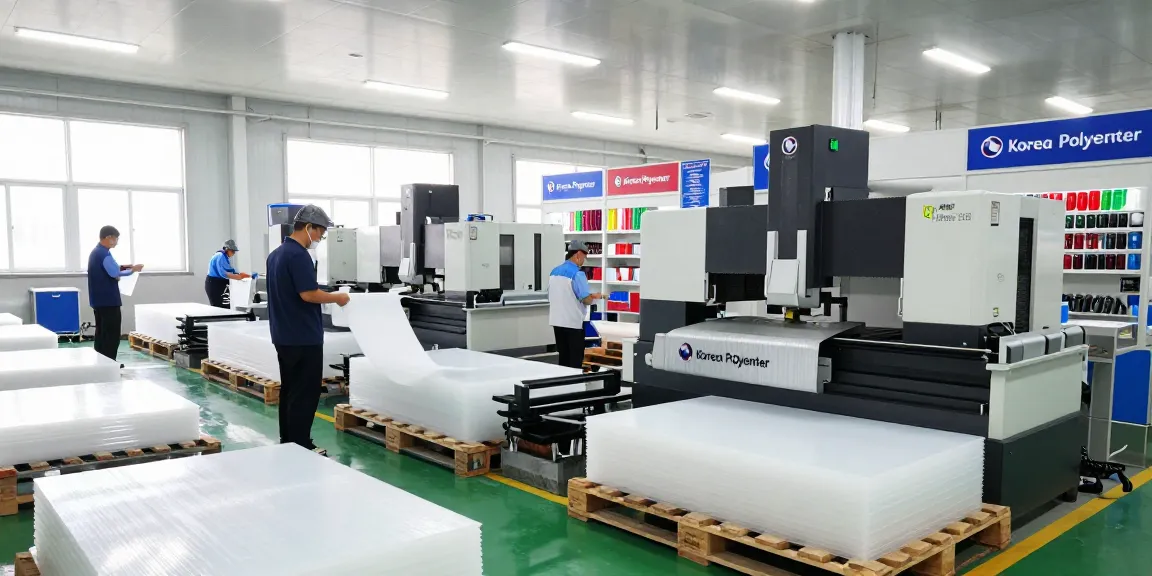
Korea Polymer leverages cutting-edge technologies to enhance its product offerings. Advanced manufacturing processes, including precision machining and customized compounding, allow the company to produce materials that meet stringent industry standards. Furthermore, investments in research and development ensure continuous improvement and innovation in their engineering plastics.
Applications and Benefits of Engineering Plastics
Industries Leveraging Korea Polymer Products
Engineering plastics from Korea Polymer cater to a broad spectrum of industries. The automotive sector utilizes these materials for lightweight components that enhance fuel efficiency without compromising safety. In the electronics industry, the heat and chemical resistance of PEEK are crucial for manufacturing reliable components that withstand harsh environments.
Moreover, medical devices often require materials that not only meet regulatory standards but are also biocompatible. Korea Polymer’s expertise in producing high-quality MC Nylon ensures that medical professionals can depend on durable and safe equipment.
Advantages of MC Nylon, PEEK, PP, and PVC
- MC Nylon: Known for its wear resistance and high load-bearing capacities, MC Nylon is ideal for gears, bearings, and bushings.
- PEEK: With its high strength-to-weight ratio and resistance to harsh chemicals, PEEK is perfect for aerospace and medical applications.
- PP: Polypropylene is lightweight and resistant to moisture, making it suitable for packaging materials and automotive parts.
- PVC: Widely used in construction and healthcare, PVC is prized for its durability and versatility.
Performance Metrics in Real-World Applications
The performance of engineering plastics can often be measured through various metrics such as tensile strength, thermal stability, and impact resistance. For example, PEEK maintains its integrity at temperatures exceeding 250°C, making it invaluable for applications that involve extreme conditions. Similarly, MC Nylon exhibits superior performance under continuous mechanical stress, which is vital in manufacturing sectors.
Challenges in the Engineering Plastics Market
Common Misconceptions about Engineering Plastics
Despite their widespread use, misconceptions about engineering plastics persist. One common myth is that all plastics are weak and unsuitable for high-stress applications. In reality, engineering plastics, such as those offered by Korea Polymer, are designed specifically to endure harsh conditions and provide robust performance in demanding environments.
Regulatory and Environmental Considerations
The engineering plastics industry faces increasing scrutiny regarding environmental impact and regulatory compliance. Companies are urged to adopt sustainable practices and materials that reduce waste and energy consumption. Korea Polymer is actively working to align its manufacturing processes with environmental standards, ensuring their products are not only efficient but also eco-friendly.
Addressing Manufacturing Challenges and Innovations
Manufacturing engineering plastics can be complex, requiring precision and expertise. Challenges such as material consistency, processing speed, and integrating new technologies can hinder production. However, Korea Polymer is committed to overcoming these hurdles through continuous innovation and investment in technology, thus ensuring high-quality output.
Strategies for Choosing the Right Engineering Plastic
Evaluating Material Properties and Performance
When selecting the right engineering plastic, it is crucial to evaluate the specific properties and performance metrics relevant to the intended application. Factors such as tensile strength, environmental resistance, and thermal stability should be considered. Korea Polymer provides comprehensive data sheets and technical support to help clients make informed decisions.
Cost-Benefit Analysis for Product Selection
Conducting a cost-benefit analysis is essential when selecting engineering plastics. While some materials may have a higher upfront cost, their long-term performance and durability can lead to significant savings over time. Products from Korea Polymer are engineered for durability, potentially reducing maintenance and replacement costs for businesses.
Future Trends in Material Selection and Usage
As technology advances, the demand for engineering plastics is expected to grow, particularly in sectors like automation and renewable energy. The shift towards more sustainable materials will also shape future trends, prompting manufacturers to innovate further and reduce environmental footprints.
Looking Ahead: The Future of Korea Polymer in 2026
Emerging Technologies in Engineering Plastics
By 2026, Korea Polymer aims to integrate more advanced technologies into its production processes, including the use of artificial intelligence and automation. These technologies promise to enhance efficiency and reduce errors in manufacturing, positioning Korea Polymer as a pioneer in the engineering plastics sector.
Predictions for Market Growth and Demand
The engineering plastics market is projected to grow significantly in the coming years. With increasing demand across various industries, Korea Polymer’s strategic focus on innovation and quality will help capture new market shares and solidify its standing in the global landscape.
Korea Polymer’s Strategic Vision for the Future
Looking towards the future, Korea Polymer’s strategic vision includes enhancing product lines and expanding international partnerships. By fostering relationships with key global players, Korea Polymer aims to broaden its reach and explore new markets, ensuring sustainable growth in an ever-competitive landscape.
What are the key benefits of using engineering plastics?
Engineering plastics offer numerous benefits including high strength, lightweight properties, and resistance to chemicals and heat. These characteristics make them ideal for a variety of applications, allowing manufacturers to produce more efficient, durable products.
How does Korea Polymer ensure product quality?
Korea Polymer employs rigorous quality control measures throughout its production processes. Continuous monitoring and testing ensure that every batch meets industry standards and customer specifications, reinforcing the company’s commitment to excellence.
What industries benefit most from Korea Polymer products?
The automotive, aerospace, electronics, and medical device industries are some of the primary sectors benefitting from Korea Polymer’s advanced engineering plastics. Each of these industries requires high-performance materials that can withstand demanding conditions, making Korea Polymer’s products indispensable.
What innovations are on the horizon for engineering plastics?
Upcoming innovations in engineering plastics include the development of bioplastics, enhancements in recycling processes, and the integration of smart materials that can respond to environmental changes. These advancements will likely transform the market landscape and promote sustainable practices.
How can businesses effectively utilize Korea Polymer materials?
To maximize the benefits of Korea Polymer materials, businesses should engage in thorough material selection processes, leverage Korea Polymer’s expertise, and stay informed on industry trends. Collaborating with experts can lead to more innovative applications and improved product performance.