Understanding the Architecture of Cape Cod Homes
Historical Background of Cape Cod Homes
The architecture of cape cod homes has a rich historical context stretching back to the early 17th century. Originating from the Cape Cod region in Massachusetts, these homes were built primarily by English settlers who aimed to create a sturdy and functional design suited for the harsh New England climate.
The original Cape Cod houses were modest in size, often one or one-and-a-half stories, featuring steeply pitched roofs to shed snow efficiently. The design prioritized practicality, incorporating thick walls and small windows to withstand the elements while maximizing insulation. This blend of resilience and simplicity reflects the needs of early settlers who faced the challenges of coastal living.
Key Architectural Features of Cape Cod Homes
Classic architectural characteristics define cape cod homes, making them instantly recognizable. Key features include:
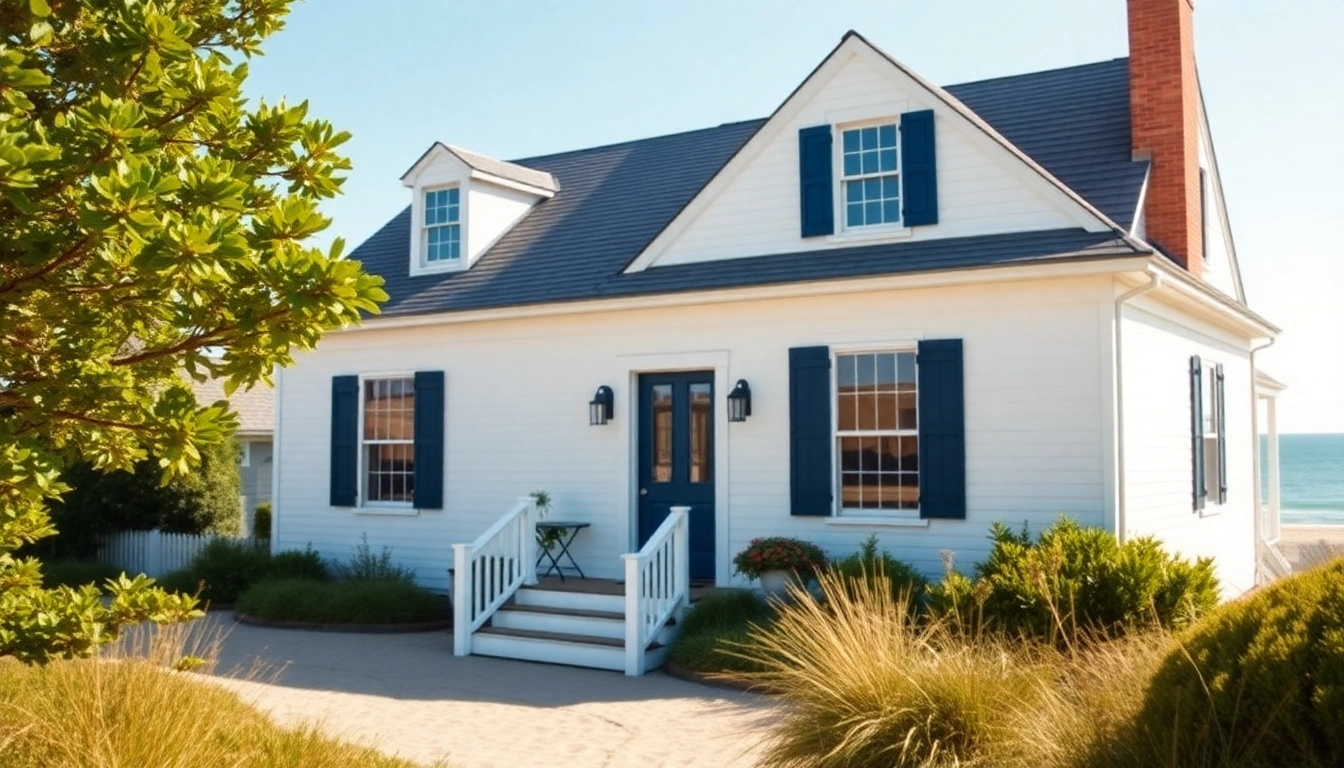
- Steep Roofs: The steep pitch of the roofs, often with symmetrical gables, is not just a stylistic choice but serves a practical purpose of preventing snow accumulation.
- Dormer Windows: Prominent dormers increase natural light and ventilation in the upper levels of the home, contributing to the aesthetic charm.
- Symmetrical Facades: The balanced appearance of Cape Cod homes reflects a sense of harmony, often showcasing a central door flanked by evenly spaced windows.
- Wood Siding: Typically clad in wood, these homes were usually painted in muted tones or left natural, embracing a connection to the coastal environment.
- Chimneys: Functioning as both a structural and design element, chimneys were placed at the center of the roof to maximize their efficiency and appearance.
Variations in Design Styles of Cape Cod Homes
Over the years, the architectural style of cape cod homes has evolved, giving rise to several variations. These include:
- Traditional Cape Cod: This style maintains the original aesthetic with simple lines, symmetrical designs, and minimal ornamentation, often showcasing a classic charm.
- Modern Cape Cod: Incorporating contemporary materials and techniques, this variation blends traditional elements with open floor plans and larger window expanses for enhanced light and livability.
- Colonial Revival: Drawing inspiration from historic colonial homes, these versions might include elaborate decorative elements while preserving the core design features of a Cape Cod structure.
- Beach Style: Generally located closer to the coast, these homes might feature wider porches, decks, and lighter colors to harmonize with the coastal surroundings.
Benefits of Owning Cape Cod Homes
Climate Adaption and Energy Efficiency
One of the standout benefits of cape cod homes is their impressive adaptability to the local climate. The steep roofs are engineered to manage snowfall, while the compact size reduces overall energy usage. The structural design often includes high-quality insulation, enabling these homes to maintain a comfortable temperature throughout the year.
Many modern iterations incorporate energy-efficient windows and doors, reducing heat losses even further. As a result, homeowners frequently benefit from lower energy bills while also contributing to a greener environment. These homes not only preserve warmth during winter but remain cool in the summer, showcasing remarkable thermal efficiency.
Aesthetic Appeal and Community Vibe
The aesthetic charm associated with cape cod homes contributes to their broader appeal. Their simplistic beauty, inviting porches, and coastal inspirations create a warm and inviting atmosphere. Often found in picturesque seaside towns or tranquil suburban areas, Cape Cod homes foster a strong sense of community.
The architectural style encourages neighborhood cohesion, as these homes often share similar characteristics, resulting in harmonious streetscapes. Moreover, their enduring design resonates with those who appreciate historical architecture while enjoying a relaxed lifestyle.
Investment Potential of Cape Cod Homes
Investing in cape cod homes presents an appealing opportunity for real estate enthusiasts. Their popularity has sustained value over time, as these homes are often in coveted locations near coastal areas or historic landmarks. The enduring appeal of Cape Cod architecture and community enhances investment stability and potential for appreciation.
Additionally, Cape Cod homes are highly sought-after on the rental market, especially for vacation or seasonal rentals, providing owners with the potential for a lucrative income stream. Investing in these homes not only offers tangible benefits but can also bolster one's portfolio with distinct and valued properties.
Renovating Your Cape Cod Home
Popular Renovation Ideas for Cape Cod Homes
Renovating a Cape Cod home can breathe new life into its traditional architecture while enhancing functionality and ensuring modern standards of comfort. Here are several trendy renovation ideas to consider:
- Open Floor Plans: Though traditional Cape Cod homes emphasize compartmentalized spaces, many homeowners opt for renovations that create open-concept living areas to promote better airflow and interaction.
- Additions: Expanding living spaces through well-designed additions, like sunrooms or extra bedrooms, can help homeowners better accommodate modern family needs without sacrificing aesthetic integrity.
- Upgrading Kitchens: Focus on incorporating modern appliances, increasing counter space, and improving the layout can significantly elevate the functionality and style of these homes.
- Energy-Efficient Upgrades: Incorporating solar panels, improved insulation, and energy-efficient windows are ideal options that allow for enhanced comfort while reducing energy costs.
- Outdoor Living Spaces: Expanding outdoor spaces, such as patios, decks, or even full outdoor kitchens, expands usable square footage and enhances the coastal living experience.
Planning and Budgeting for Renovations
Successful renovations begin with thorough planning and budgeting. Homeowners should assess their unique needs and establish clear goals for the project. Essential steps include:
- Conducting Assessments: Inspecting the home for structural integrity and determining areas needing attention should be the first step before diving into aesthetic renovations.
- Setting a Realistic Budget: Develop a comprehensive budget that considers all phases of the project, including contingency funds for unexpected expenses.
- Researching Local Permits: Knowing what permits are required can be essential for ensuring compliance with local regulations, particularly for larger renovations.
- Hiring Professionals: After deciding on the scope of work, consider hiring architects, designers, and contractors experienced in Cape Cod renovations to handle the specifics.
Working with Architects for Cape Cod Home Renovations
Choosing the right architect is crucial for realizing the vision behind your Cape Cod home renovation. Look for professionals with a portfolio featuring similar architectural styles and proven experience in historic home renovations. Collaborate closely with them, ensuring they understand your objectives, lifestyle, and budgetary constraints. Effective communication can help steer the project towards a successful completion while preserving the home’s inherent charm.
Decorating Tips for Cape Cod Homes
Coastal Themes and Color Palettes
Decorating a Cape Cod home often involves embracing coastal themes, utilizing specific color palettes that reflect the nearby environment. Homeowners frequently choose soft blues, whites, and sandy hues to evoke a serene coastal vibe. Adding natural textures through wood, wicker, and cotton fabrics enhances the ambiance and evokes seaside tranquility.
While maintaining a cohesive design language, homeowners can incorporate nautical elements, such as artwork depicting boats, shells, or ocean scenes. Strategic use of color and thematic decor brings life to the living spaces, creating inviting coziness.
Furniture Choices for Comfort and Style
When selecting furniture for a Cape Cod home, balance between comfort and style is key. Look for pieces that are both aesthetically pleasing and comfortable. Soft, cushioned seating with slipcovers in light shades adds an effortless, welcoming feel.
Consider traditional wooden accents and pair them with contemporary designs to achieve a timeless blend, which preserves the charm while adding modern flair. Moreover, maximizing natural light through window treatments and strategic furniture placement helps in creating bright and welcoming interiors.
Landscaping Ideas to Complement Cape Cod Homes
Landscaping should harmoniously enhance Cape Cod homes, adhering to the natural environment while ensuring functionality. Plantings should include native coastal plants that are low-maintenance and resilient to local conditions.
- Flowering Plants: Consider perennials, such as hydrangeas and beach roses, offering vibrant colors and a touch of local charm.
- Walkways and Patios: Use natural stone or gravel for garden paths, bringing an organic feel that complements the home's architecture.
- Outdoor Seating Areas: Create cozy nooks with seating and dining areas to extend living spaces outdoors, utilizing natural materials and textures.
Frequently Asked Questions about Cape Cod Homes
What are the typical features of cape cod homes?
Cape Cod homes typically feature steep roofs, dormer windows, and symmetrical facades, creating a classic seaside look.
How energy efficient are cape cod homes?
Cape Cod homes are designed for energy efficiency with proper insulation and small roof overhangs that minimize heat loss.
Can cape cod homes be renovated easily?
Yes, cape cod homes can be renovated to modern standards, maintaining their charm while improving functionality.
What are some popular colors for painting cape cod homes?
Classic colors include white, light gray, and soft blues, reflecting the coastal environment they inhabit.
Is it worth investing in cape cod homes?
Yes, cape cod homes are often valuable investments due to their unique architecture and desirable locations.