Understanding Lower Back Pain: Causes and Symptoms
Lower back pain is a common ailment that can affect anyone at any stage of life. It can result from various factors, including physical stress and underlying medical conditions. Identifying the root causes and symptoms is crucial for effective management and treatment options. Wondering how to navigate the complexities of lower back pain treatment? You’ve come to the right place.
Common Causes of Lower Back Pain
The causes of lower back pain can be diverse, often overlapping. Some of the most prevalent triggers include:
- Muscle or Ligament Strain: Heavy lifting or abrupt awkward movements can strain back muscles and spinal ligaments.
- Herniated Discs: Discs act as cushions between the vertebrae; if they bulge or rupture, they can press on nerves, causing pain.
- Skeletal Irregularities: Conditions like scoliosis can result in abnormal spine alignment, leading to pain.
- Arthritis: Osteoarthritis can lead to a narrowing of the space around the spinal cord (spinal stenosis), causing pain.
- Osteoporosis: Bones that become porous and brittle can lead to fractures in the vertebrae, resulting in pain.
Symptoms to Watch For
Identifying accompanying symptoms is essential for assessing the severity of lower back pain. Symptoms can vary widely but often include:
- Localized pain felt in the lower back.
- Pain that radiates down the legs (sciatica).
- Stiffness and reduced mobility.
- Muscle spasms that can exacerbate discomfort.
- Tenderness when pressure is applied to the affected area.
When to Seek Medical Advice
While mild lower back pain often resolves on its own, there are circumstances that necessitate medical consultation:
- If the pain lasts more than a few weeks.
- If the pain is severe and does not improve with rest or self-care.
- If you have a history of cancer, osteoporosis, or are experiencing unexplained weight loss.
- If you develop new bowel or bladder issues.
- If you experience numbness or weakness in your legs.
Lower Back Pain Treatment: Overview of Options
When it comes to treating lower back pain, there is no one-size-fits-all approach. Understanding the various treatment options available allows individuals to engage in informed conversations with their healthcare providers. The following are key methods of lower back pain treatment:
Physical Therapy and Its Benefits
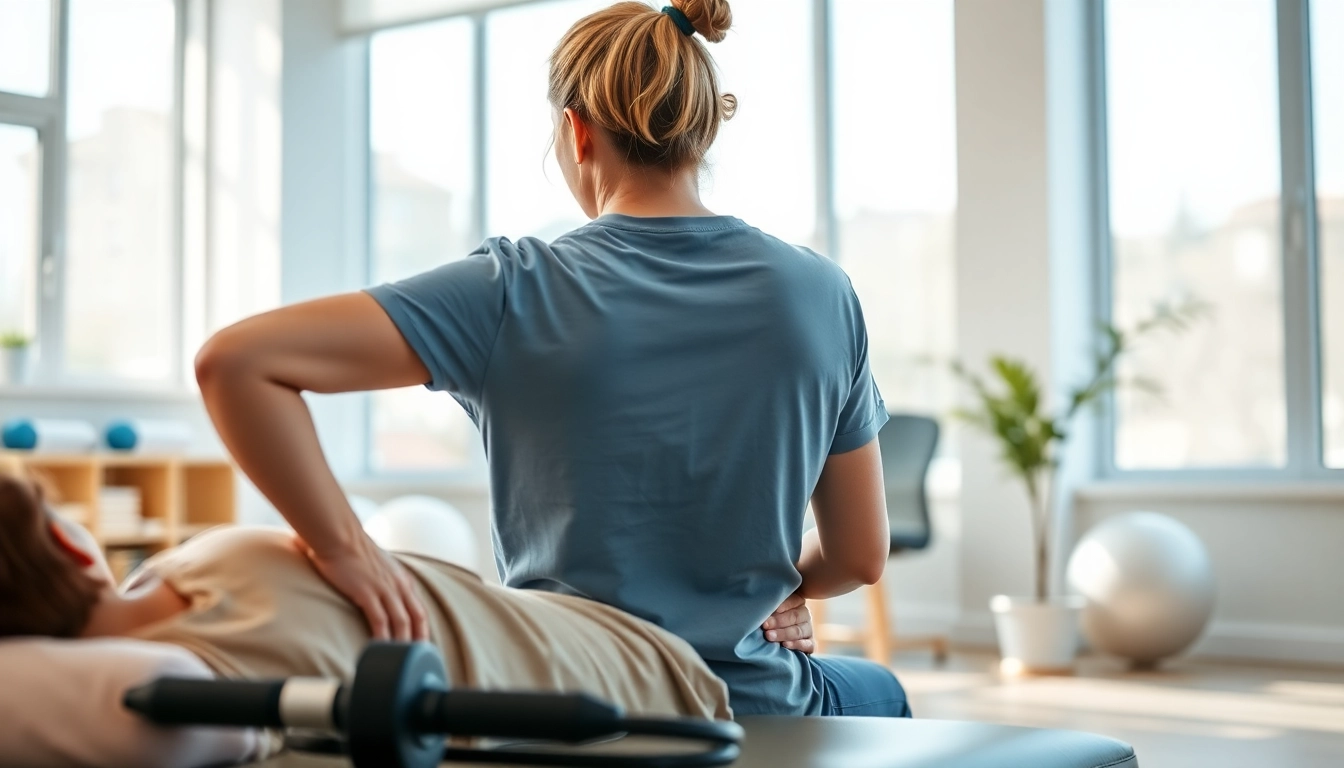
Physical therapy is often a cornerstone in the treatment of lower back pain. A licensed physical therapist can design a personalized program that includes:
- Strengthening Exercises: Focused on improving the core and back muscles to provide stability and support.
- Stretching Techniques: Ensuring flexibility, which can alleviate tension and prevent future injury.
- Manual Therapy: This may involve hands-on techniques to manipulate spinal joints and surrounding tissues.
- Education: Patients learn how to manage their condition and prevent re-injury.
Medication for Pain Management
Medications often provide immediate relief to those suffering from lower back pain. Commonly prescribed options include:
- Nonsteroidal anti-inflammatory drugs (NSAIDs): Such as ibuprofen, which reduce inflammation and relieve pain.
- Prescription medications: Muscle relaxants may be prescribed for muscle spasms.
- Corticosteroid injections: Corticosteroids reduce inflammation in nerve roots and joints.
- Over-the-counter pain relievers: Acetaminophen can provide mild relief.
Complementary Therapies to Consider
Complementary therapies can enhance traditional treatment options and provide additional benefits:
- Chiropractic Care: Hands-on spinal manipulation may align the spine and improve functionality.
- Acupuncture: This traditional Chinese medicine technique can help manage pain by stimulating nerves.
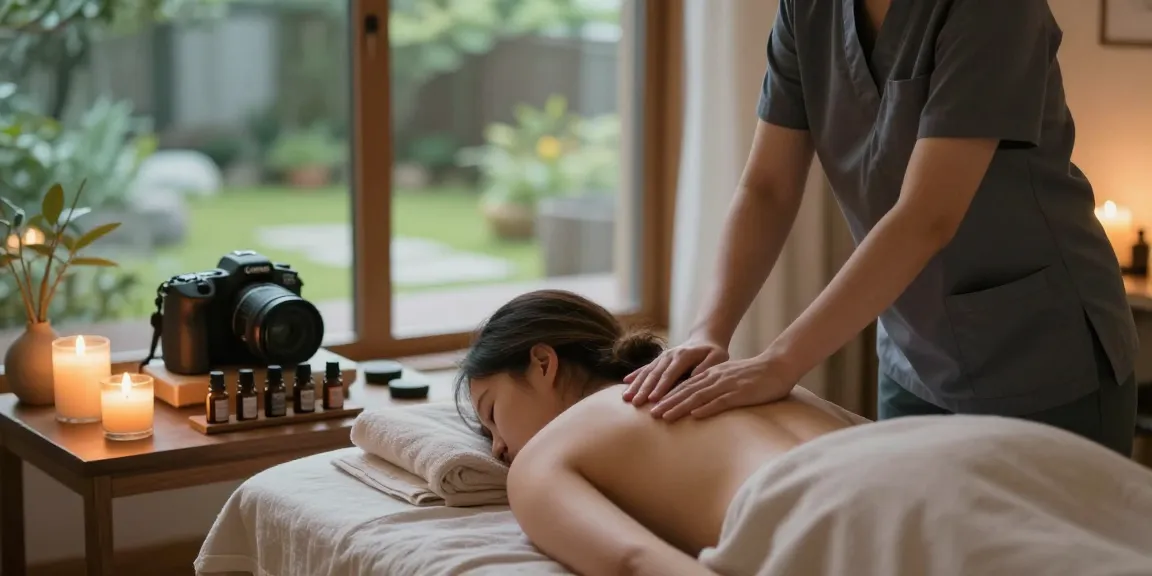
- Massage Therapy: Helps relax tight muscles and improve blood flow.
- Mindfulness and Meditation: Engaging in meditation can help reduce the perception of pain.
Home Remedies for Lower Back Pain Treatment
For those seeking relief without extensive medical intervention, several effective home remedies can alleviate lower back pain:
Exercises to Relieve Lower Back Pain
Incorporating gentle exercises into your routine can promote healing and reduce pain. Here are examples of beneficial exercises:
- Cat-Cow Stretch: Alternating between arching and rounding your back can enhance flexibility.
- Child’s Pose: A restorative yoga pose that stretches the spine and relieves tension.
- Hamstring Stretches: Releases tension in the lower back by stretching the hamstrings.
- Pelvic Tilts: Strengthens the lower abdomen and reduces pressure on the lower back.
Heat and Cold Therapy
Heat and cold applications can provide immediate relief to aching backs. Here’s how they work:
- Heat therapy: Applying heat through heating pads or warm baths increases blood flow and relaxation of muscles.
- Cold therapy: Ice packs can reduce inflammation immediately after an injury or during flare-ups.
Posture Correction Techniques
Maintaining proper posture can significantly influence back pain management. Techniques include:
- Ergonomic chairs: Investing in ergonomic furniture supports proper alignment during work.
- Mindful body mechanics: Learning to lift heavy objects properly and avoid straining your back.
- Regular breaks: Incorporating breaks to stand and stretch during long periods of sitting.
Preventive Measures for Lower Back Pain
Implementing preventive strategies can minimize the risk of developing lower back pain in the first place. Key measures include:
Ergonomics at Work and Home
To prevent lower back issues, evaluate your work and home setup. Ergonomics plays a vital role in how the body interacts with the environment. Key tips include:
- Supportive seating: Choose chairs that provide lumbar support.
- Monitor height: Your screen should be at eye level to prevent slouching.
- Desk design: If you work at a desk, ensure that it’s set at a comfortable height.
Stretches and Strengthening Exercises
Incorporating daily stretches and strengthening exercises into your routine can promote a strong and flexible back. Suggestions include:
- Regular aerobic activities: Activities like walking and swimming keep muscles engaged.
- Core exercises: Engaging various core-strengthening workouts can help stabilize the spine.
Lifestyle Changes to Reduce Risk
Certain lifestyle adjustments can have a considerable effect on back health:
- Weight management: Maintaining a healthy weight reduces pressure on the spine.
- Smoking cessation: Smoking impairs blood flow to the spine and can worsen pain.
- Healthy diet: Nutrient-rich foods promote bone health.
Frequently Asked Questions About Lower Back Pain Treatment
What are the best exercises for lower back pain?
Low-impact activities like walking, swimming, and specific stretching exercises, such as pelvic tilts and hamstring stretches, can relieve pain and strengthen the back.
How long should I expect to see results from treatment?
Results vary based on individual circumstances; however, some might experience relief within a few weeks, especially with consistent treatment and lifestyle changes.
Is surgery necessary for lower back pain?
Surgery is typically considered a last resort after conservative treatments have failed, particularly in cases of herniated disks or spinal stenosis.
Can stress contribute to lower back pain?
Yes, stress can lead to muscle tension in the back, exacerbating pain. Incorporating stress management techniques can help reduce discomfort.
What lifestyle changes can help prevent lower back pain?
Incorporating regular exercise, maintaining a healthy weight, using proper posture, and managing stress can effectively reduce the risk of lower back pain.