Understanding Text to 3D Technology
In recent years, the advancement of artificial intelligence and machine learning has transformed how we create and interact with digital content. One of the most exciting developments in this space is the emergence of Text to 3D technology. This innovative approach allows users to generate 3D models directly from text prompts, streamlining the design process across various industries. As we delve into the intricacies of text to 3D technology, we will explore its evolution, applications, benefits, challenges, and future trends.
What is Text to 3D?
Text to 3D refers to the process of creating three-dimensional models based solely on textual descriptions. This technology leverages advanced algorithms, including natural language processing and computer graphics, to interpret user-generated text and produce corresponding 3D objects. By converting simple text inputs into complex 3D representations, this technology democratizes 3D modeling, making it accessible to a broader audience, including those without extensive expertise in design or 3D software.
The Evolution of 3D Modeling
3D modeling has undergone significant transformations, from rudimentary wireframe structures to intricate polygonal models. Historically, creating 3D objects required specialized skills and software, limiting the field to professional designers and engineers. However, with the advent of AI and machine learning, the landscape is changing. Text to 3D is at the forefront of this evolution, allowing non-experts to generate 3D content efficiently. Early iterations of this technology utilized simple algorithms, while contemporary solutions incorporate deep learning techniques for improved accuracy and detail.
Applications in Various Industries
The applications of text to 3D technology are vast and varied, impacting a multitude of sectors including:
- Entertainment: Game developers and filmmakers can create assets quickly and efficiently using text-based descriptions.
- Education: Educators can produce visual content that enhances learning experiences, such as interactive 3D models for complex scientific concepts.
- Architecture: Architects can generate visual representations of their designs, allowing for better client engagement and feedback.
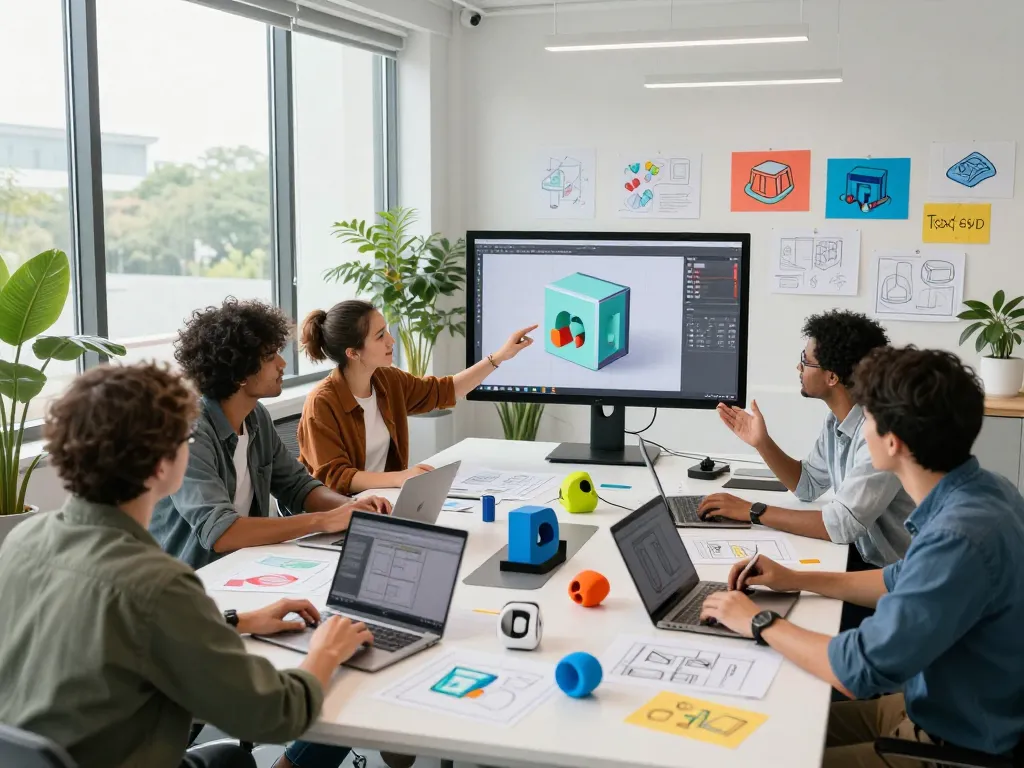
- Manufacturing: Prototyping becomes more streamlined as engineers can create models based on specifications specified in textual form.
Benefits of Text to 3D Solutions
Streamlining Design Processes
One of the most significant advantages of text to 3D technology is its ability to speed up the design process. Traditional methods often involve tedious iterations and manual adjustments. With text to 3D, users can generate models in seconds, enabling rapid prototyping and experimentation. This efficiency not only saves time but also fosters innovation by allowing designers to explore multiple ideas without extensive investment in resources.
Enhancing Creativity and Innovation
Text to 3D tools encourage creativity by lowering entry barriers. Individuals who may lack traditional design skills can now express their ideas visually. This can lead to unexpected and innovative designs, as users can generate unique models by simply describing their vision. Furthermore, the immediacy of producing 3D objects from text can inspire fresh perspectives and experimental designs that might not emerge in conventional workflows.
Cost-Effectiveness Compared to Traditional Methods
Implementing text to 3D solutions can be more cost-effective than traditional 3D modeling approaches. By reducing the need for skilled designers to manually create models, businesses can cut down on labor costs. Additionally, the speed at which models can be produced accelerates project timelines, ultimately leading to lower overall expenses. For startups and small businesses, this financial benefit can be crucial for staying competitive.
Challenges and Considerations
Common Misconceptions About Text to 3D
Despite its advantages, several misconceptions persist regarding text to 3D technology. Some believe that the generated models lack quality or detail compared to those crafted by experienced designers. While it’s true that some early iterations of text to 3D tools produced subpar results, advancements in AI have significantly improved output quality. Today, many platforms offer highly detailed and refined models that can meet or even exceed industry standards.
Technical Limitations and Solutions
Text to 3D technologies are not without their technical challenges. One major limitation is the ambiguity of natural language; a single description may yield vastly different results based on interpretation. Developers are continuously working to enhance these algorithms, integrating user feedback to refine model generation processes. Furthermore, while some tools can produce free models quickly, they may lack the customization options that traditional modeling software provides. As technology advances, these limitations are expected to diminish.
Integrating with Existing Workflows
Businesses looking to adopt text to 3D solutions must consider how these tools will integrate with existing workflows. Training staff on new software and ensuring compatibility with current systems can be a daunting task. However, many text to 3D platforms come equipped with user-friendly interfaces and resources to facilitate smooth onboarding. To maximize effectiveness, companies should gradually implement these solutions alongside traditional methods, allowing teams to adapt progressively.
Implementation Strategies for Businesses
Choosing the Right Text to 3D Tools
Selecting the appropriate text to 3D tool for your needs is crucial. Factors to consider include the complexity of projects, the quality of generated models, and ease of use. Companies should take advantage of trial versions to gauge the capabilities of various platforms before committing. Additionally, looking at user reviews and case studies can provide insights into how specific tools perform in real-world applications.
Step-by-Step Guide to Onboarding Teams
To successfully onboard teams to text to 3D tools, organizations should develop a structured training program, which includes:
- Identifying key team members who will champion the implementation.
- Providing comprehensive training sessions on the chosen tools.
- Encouraging feedback and ongoing learning as users become more familiar with the technology.
- Gradually integrating text to 3D processes into current projects to allow for adjustment.
Measuring Success and ROI
Measuring the success and return on investment (ROI) of text to 3D technology is essential for justifying its implementation. Metrics to consider include time saved in the design process, the quality of models produced, and overall project outcomes. Businesses should set clear objectives for what they aim to achieve with the technology and regularly assess performance against these goals.
Future Trends in Text to 3D Technology
Predictions for 2026 and Beyond
As we look ahead to 2026 and beyond, text to 3D technology is expected to become more sophisticated. We may see increased integration with augmented reality (AR) and virtual reality (VR), creating immersive experiences where users can interact with 3D models in real-time. Additionally, as machine learning algorithms improve, we can anticipate models that not only match user descriptions but adapt based on usage and feedback, providing customized outputs over time.
Emerging Technologies Complementing Text to 3D
The landscape of digital creation is ever-evolving, and several emerging technologies will complement text to 3D solutions. For example, generative design—a process where software generates numerous design alternatives based on specified criteria—can work in tandem with text input to create a broader range of options. Furthermore, advancements in hardware, such as more powerful GPUs, will enhance the capabilities of text to 3D platforms, making high-quality generation feasible for more users.
Expert Insights on Industry Developments
Industry experts predict that as text to 3D technology matures, we will see a shift in how design work is valued, with a greater emphasis on creativity and concept development rather than technical skill. This democratization of 3D modeling may lead to a surge in innovative products and services, transforming various sectors in the process.
What industries benefit from Text to 3D technology?
Text to 3D technology provides benefits across numerous industries, including entertainment, education, architecture, and manufacturing. Each sector can leverage the speed and accessibility of text to 3D tools to enhance their workflows and product offerings.
How can businesses overcome challenges in Text to 3D adoption?
Businesses can overcome challenges in adopting text to 3D by selecting user-friendly tools, providing adequate training, and gradually integrating these solutions into existing workflows. By addressing common misconceptions and focusing on the technology’s benefits, companies can foster a positive transition.
What is the cost of implementing Text to 3D solutions?
The cost of implementing text to 3D solutions varies based on the chosen tools and the scale of adoption. Many platforms offer tiered pricing models, ranging from free versions with limited capabilities to more robust paid options. Ultimately, the investment should align with the specific needs and budget constraints of the organization.
Are there free Text to 3D tools available?
Yes, several free text to 3D tools are available that allow users to generate basic models without any financial commitment. These tools often serve as excellent entry points for those looking to experiment with 3D modeling before investing in more advanced solutions.
How does Text to 3D compare with traditional 3D modeling?
Text to 3D technologies offer distinct advantages over traditional 3D modeling methods, primarily in speed and accessibility. While traditional modeling requires extensive training and manual work, text to 3D simplifies the process, allowing users to create models through simple text prompts. However, traditional methods may still be necessary for projects requiring highly intricate designs and detailed customization.